If charging your wearable every night sounds like a chore, you have much better options. The best long-battery wearables can now last anywhere from around a week to three weeks between charges while still tracking activity, sleep, heart rate and more.
We picked six wearables that stand out specifically for battery life, from the 21-day Xiaomi Smart Band 10 to full-featured watches like the Garmin fēnix 9 and screen-free trackers like the RingConn Gen 3. The goal isn't simply to find the wearable with the biggest battery claim — it's to find devices you can actually use normally without constantly thinking about the charger.
Our process
How we chose these products
Battery life was the priority for this guide. We looked at how long each wearable can last during normal everyday use rather than ranking products solely by extreme battery-saver claims. We also considered what you get during that time — including fitness and health tracking, GPS, sleep tracking, smartwatch features, comfort and charging convenience. Because smart rings, fitness bands and full smartwatches use power very differently, we haven't treated manufacturer battery numbers as perfectly comparable. Instead, we focused on which products genuinely reduce charging hassle without forcing you to turn off the features that make them worth wearing in the first place.
Products checked: September 18, 2026
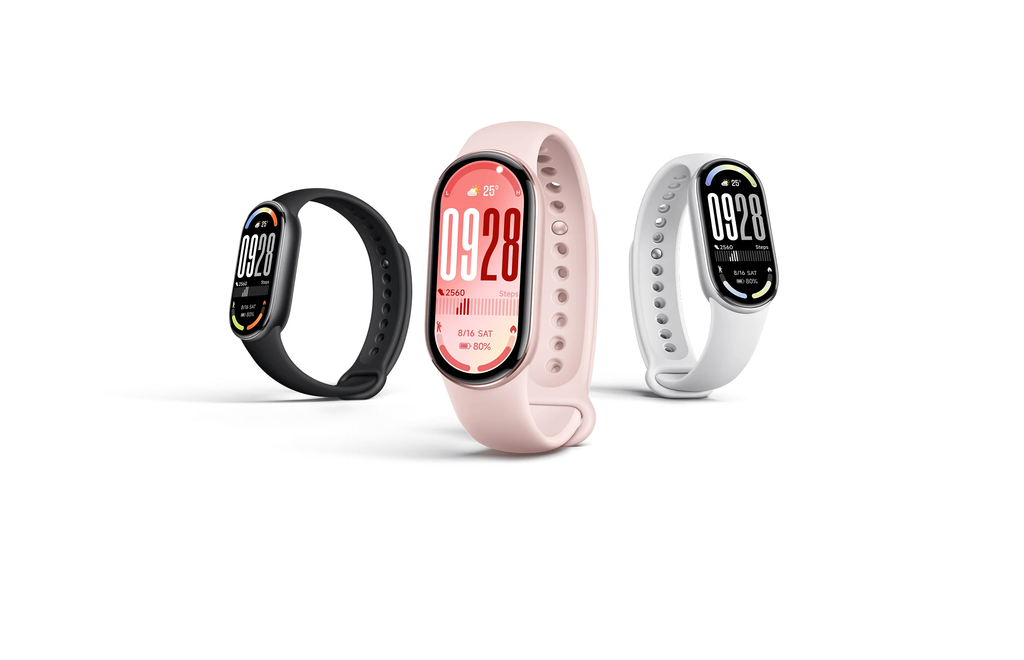
Up to 21 days makes this the easiest wearable here to forget about charging.
Xiaomi Smart Band 10 Review: Still the Budget Band to Beat?
Pros & cons
- Extremely affordable
- Large, bright AMOLED
- Very lightweight
- Strong exercise HR tracking for the price
- Long battery potential
- Excellent basic fitness feature set
- 5ATM swimming support
- No built-in GPS
- No HRV
- Mi Fitness isn't best-in-class
- Sleep tracking can miss awakenings
Why we picked it
The Xiaomi Smart Band 10 is exactly what this guide is about. Xiaomi rates it for up to 21 days of typical use, meaning you can potentially go several weeks without thinking about the charger. Even heavier use is rated at around eight days, which is still considerably better than many full smartwatches.
Who it’s for
Pick the Smart Band 10 if your main priority is charging as little as possible and you mostly want activity, sleep and everyday health tracking rather than a full smartwatch experience. It's particularly appealing for people who want to put a tracker on and largely forget about it.
Specs & configurations
- Display
- 1.72" AMOLED
- Brightness
- 1,500 nits HBM
- Refresh rate
- 60Hz
- Standard body weight
- 15.95g
- Battery
- 233mAh (21 days typical)
- Built-in GPS/GNSS
- NO
- GPS type
- Phone-connected
- Sleep HRV
- No
- HR / SpO₂ / stress
- Yes
- Sports modes
- 150+
- Underwater HR
- Yes
- HR broadcast
- Yes
- Water resistance
- 5ATM
- NFC Payment
- No
- Bluetooth Calling
- No
- Operating system
- Android 8+/ IOS 14+
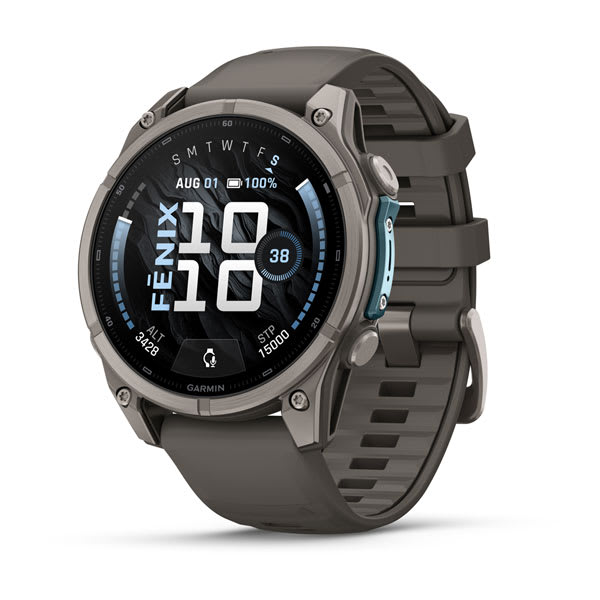
Serious smartwatch features without the usual smartwatch charging routine.
fēnix® 9 – 47 mm
Pros & cons
- Excellent AMOLED visibility.
- Sapphire lens
- Garmin mapping.
- responsive map engine than previous generations.
- Multi-band GPS + SatIQ.
- Exceptional training ecosystem.
- ECG, HRV, sleep, Pulse Ox and extensive health tracking.
- multisport support.
- 40m recreational diving support.
- Built-in LED flashlight.
- Calls and voice functions when connected to phone.
- 64GB storage.
- Up to 16-day smartwatch battery.
- CA$1,399.99. (Expensive)
- new software features are being backported.
- 75g is still substantial for sleeping/running.
- Some early UI lag complaints.
- Proprietary Garmin charging cable
Why we picked it
Most wearables with exceptional battery life are simple fitness bands or rings. The fēnix 9 is different: the 47mm model can last up to 16 days in smartwatch mode while still providing GPS, mapping, training metrics, health tracking and the deeper sports features Garmin is known for.
Who it’s for
This is the one for runners, hikers, cyclists and serious fitness users who hate charging but don't want to sacrifice full smartwatch and sports-watch features to get longer battery life. It's overkill if you only count steps, but its battery-to-capability ratio is excellent.
Specs & configurations
- Display
- 1.4-inch AMOLED touchscreen
- Resolution
- 454 × 454
- Size
- 47 × 47 × 13.8 mm
- Weight
- 75 g; case only 53 g
- Band
- 22 mm QuickFit
- Storage
- 64 GB
- GPS
- Multi-band GPS + SatIQ
- Water rating
- 10 ATM
- Battery
- Up to 16 days smartwatch
- LED flashlight
- Yes
- Music
- Yes; Garmin says storage for up to ~7,000 songs
- Payments
- Garmin Pay
- Health
- HR, HRV, Pulse Ox, ECG, skin temperature, sleep, Body Battery, stress
- Connectivity
- Bluetooth, ANT+, Wi-Fi
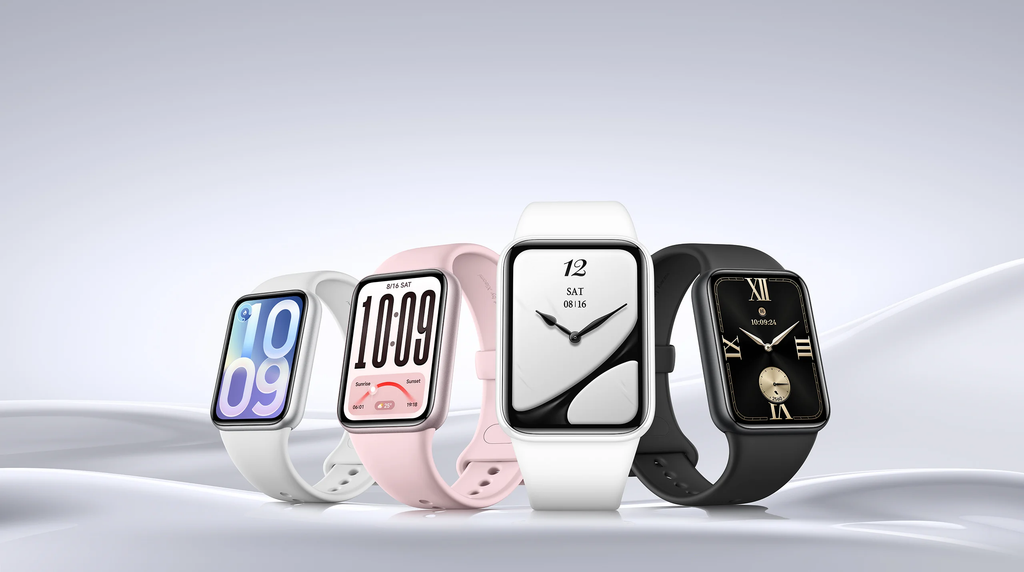
Long battery life plus built-in GPS makes it ideal for phone-free workouts.
Xiaomi Smart Band 10 Pro Review: The Sweet Spot of the Lineup
Pros & cons
- Excellent display
- Built-in GNSS
- strong heart-rate accuracy
- Sleep HRV
- Excellent battery
- Thin and comfortable
- Single-band GPS
- No app store
- No Bluetooth calls
- Can't reply normally to notifications
- HRV measured only during sleep
- Mi Fitness still needs polish
Why we picked it
The Smart Band 10 Pro keeps the low-maintenance appeal of a fitness band while adding features such as independent GNSS. Xiaomi rates it for around 15 days of normal use, up to 21 days under lighter usage, and around eight days with the always-on display enabled.
Who it’s for
Choose the Smart Band 10 Pro if you want excellent battery life but also regularly run, walk or cycle without your phone. It sits nicely between a basic fitness band and a much more expensive GPS sports watch.
Specs & configurations
- Display
- 1.74" AMOLED
- Brightness
- 2,000 nits peak / 1,500 HBM
- Refresh rate
- 60Hz
- Standard body weight
- ~21.6g
- Battery
- 350mAh (21 days typical)
- Built-in GPS/GNSS
- Yes
- GPS type
- Single-band
- Sleep HRV
- Yes
- HR / SpO₂ / stress
- Yes (upgraded PPG)
- Sports modes
- 150+
- Underwater HR
- Yes
- HR broadcast
- Yes
- Water resistance
- 5ATM
- NFC Payment
- No
- Bluetooth Calling
- No
- Operating system
- Android 8+/ IOS 14+
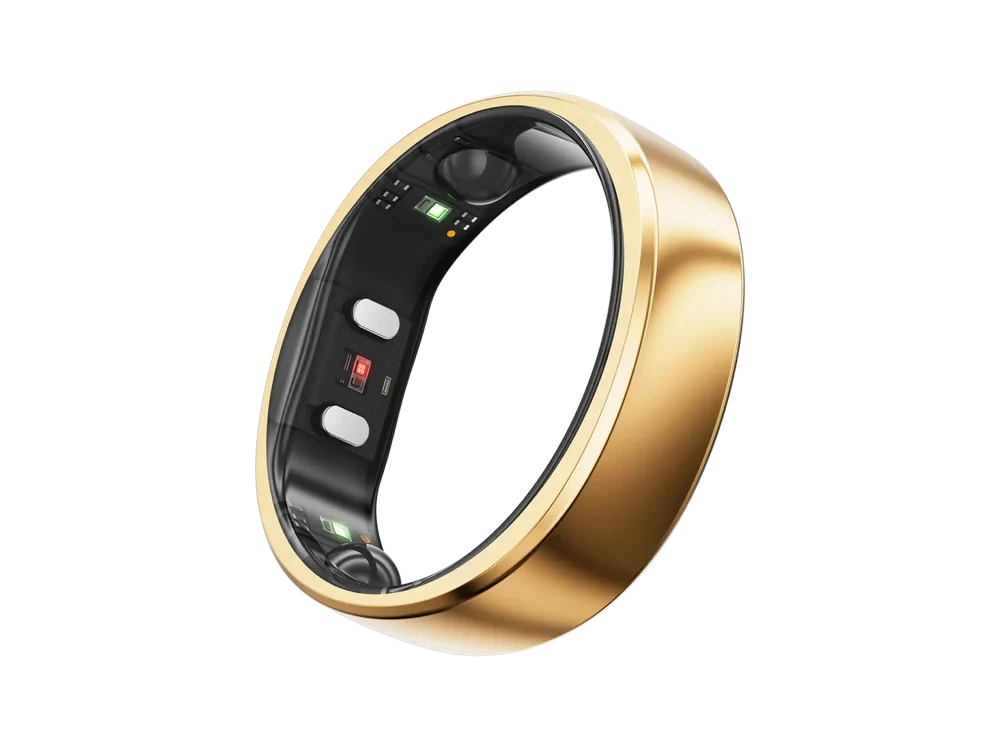
Up to two weeks on your finger, with a charging case for trips.
RingConn Gen 3 Review: The Best Subscription-Free Smart Ring?
Pros & cons
- 10–14-day real-world-class battery life
- No subscription
- Very good sleep-duration tracking
- Comfortable and lightweight
- Sleep apnea pattern insights
- Vascular-health trends
- Works with both Android and iPhone
- App isn't as polished as Oura
- Limited Apple Health integration (HRV doesn't sync to Apple Health)
- Exercise HR accuracy is inconsistent
- Not good for serious gym/sports tracking
- Haptics don't support calls, messages or wake-up alarms
- Vascular feature is not actual blood-pressure measurement
- Slightly thicker than RingConn Gen 2
Why we picked it
A screen-free wearable is already easy to forget about, and RingConn makes that even easier with battery life of up to 14 days. RingConn says typical estimates are around 10–12 days with vibration enabled and 11–14 days without it, plus you get a portable wireless charging case.
Who it’s for
RingConn Gen 3 makes the most sense if you mainly care about sleep, recovery and passive health tracking and don't need a screen on your wrist. It's especially good for anyone who wants continuous tracking without building another daily charging habit.
Specs & configurations
- Material
- Titanium + medical-grade epoxy interior
- Thickness
- 2.3 mm
- Weight
- 2.5–3.5 g
- Sizes
- 6–15
- Battery
- 10–12 days vibration on; 11–14 days vibration off
- Water resistance
- IP68 / 10 ATM / 100 m
- Sensors
- Optical HR, temperature, 3-axis accelerometer
- Haptics
- Yes
- Offline storage
- 10 days
- Compatibility
- iOS 17+ / Android 10+
- Health platforms
- Apple Health / Google Health Connect
- Subscription
- None required
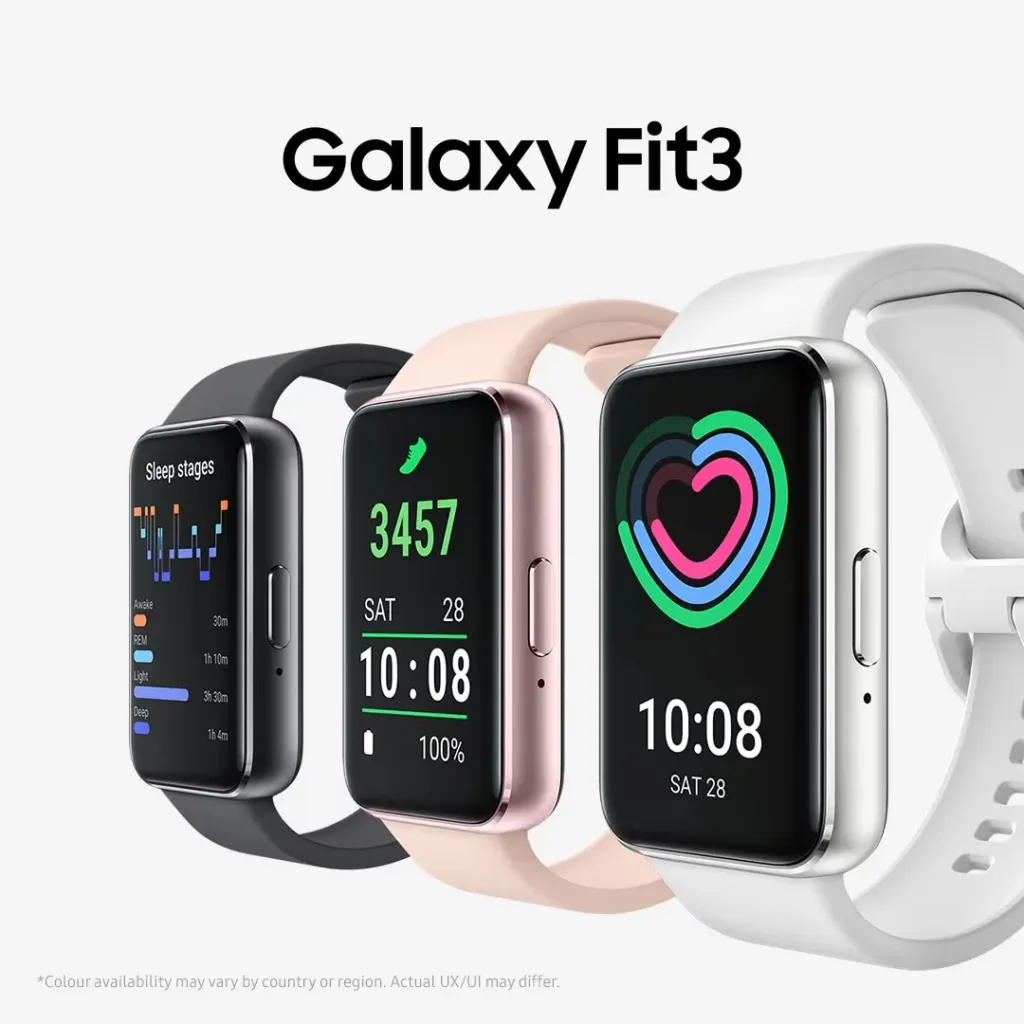
Samsung fitness tracking without charging another device every night.
Samsung Galaxy Fit3 Review: Excellent Value With a Few Big Limits
Pros & cons
- bright 1.6-inch AMOLED display
- extremely lightweight design
- Samsung Health integration
- everyday heart-rate tracking
- 100+ workout modes
- sleep/wellness features
- battery life
- fall detection and emergency features
- no built-in GPS
- Android-only ecosystem
- some Galaxy-specific functionality isn't available with every Android phone.
Why we picked it
Samsung rates the Galaxy Fit3 for up to 13 days per charge, which makes it a much lower-maintenance alternative to a conventional smartwatch. It also supports fast top-ups, reaching up to 65% in about 30 minutes according to Samsung.
Who it’s for
It's a strong choice for Samsung Galaxy and Android users who want straightforward fitness and sleep tracking without spending much or charging a watch every couple of days. Just remember that enabling the always-on display can reduce Samsung's estimate substantially.
Specs & configurations
- Display
- 1.6-inch AMOLED, 256 × 402
- Weight
- 18.5 g body only
- Battery
- 208 mAh; up to 13 days
- GPS
- Via Phone
- Heart rate
- Optical HR
- Blood oxygen
- Yes
- Sleep tracking
- Yes
- Stress tracking
- Yes
- Workouts
- 100+
- Water resistance
- 5ATM + IP68
- Safety
- Hard-fall detection + emergency SOS
- Compatibility
- Android; strongest integration with Samsung Galaxy
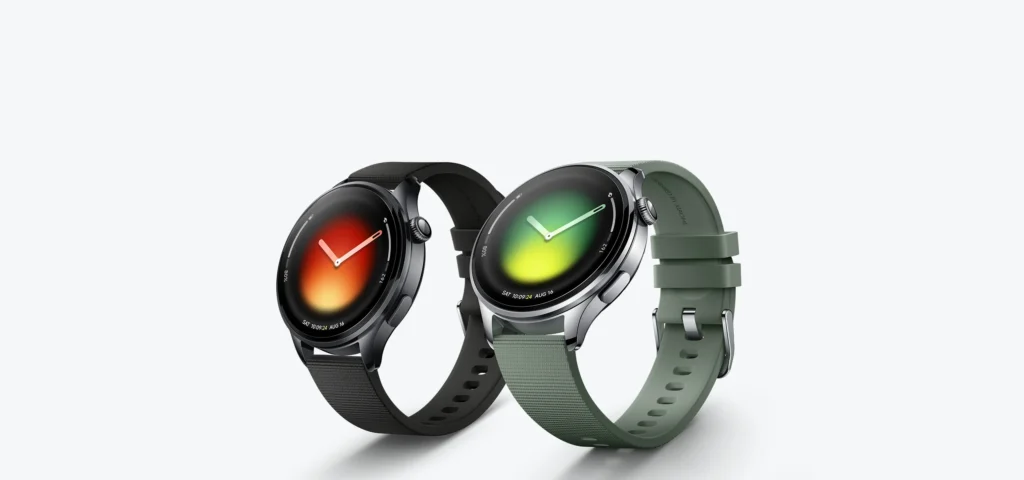
More smartwatch capability, while still stretching a charge across several days.
Xiaomi Watch 5 Review: Brilliant Battery Life, But One Big Health Compromise
Pros & cons
- Huge 930mAh silicon-carbon battery
- Wear OS 6 + full Google app ecosystem
- Gemini integration
- Google Wallet
- Excellent dual-band GPS potential
- Offline maps and navigation
- Good sleep-tracking evidence
- External Bluetooth HR monitors supported
- EMG gesture controls
- No ECG
- No blood-pressure monitoring
- No skin-temperature sensor
- No body-composition measurement
- Heavy at 56g
- 90-minute charging
Why we picked it
The Xiaomi Watch 5 can't match the multi-week endurance of the fitness bands above, but roughly six days of normal smartwatch use is still a meaningful advantage if you're trying to escape daily charging. Xiaomi also lists around four days with the always-on display enabled and up to 18 days in its lower-power mode.
Who it’s for
Choose it if you want a more traditional, feature-heavy smartwatch experience but still consider charging every day or two unacceptable. It's the compromise pick in this guide: more smartwatch functionality, but more frequent charging than the other five.
Specs & configurations
- OS
- Wear OS 6
- Display
- 1.54-inch AMOLED, 480×480, 60Hz
- Brightness
- Up to 1,500 nits HBM
- Glass
- Sapphire crystal front and sensor cover
- Case
- 316L stainless steel
- Size
- 47 × 47 × 12.3mm
- Weight
- 56g without strap
- Processor
- Snapdragon W5 Gen 1 + BES2800 low-power chip
- RAM / Storage
- 2GB / 32GB
- Battery
- Huge 930mAh silicon-carbon - 6 days Smart / 4 days AOD / 18 days Power Saving
- GPS
- Dual-band L1+L5, five satellite systems
- Water resistance
- 5ATM
- Health
- HR, SpO₂, stress, sleep, women's health
- Notably absent
- ECG, blood pressure, body composition, skin temperature
- Special feature
- EMG-based gesture controls
- Payments
- Google Wallet/NFC
- Maps
- Google Maps + Xiaomi offline maps/navigation
- Compatibility
- Android 8+ only; no iPhone support
- Launch
- March 2026