Pros
- Excellent AMOLED visibility.
- Sapphire lens
- Garmin mapping.
- responsive map engine than previous generations.
- Multi-band GPS + SatIQ.
- Exceptional training ecosystem.
- ECG, HRV, sleep, Pulse Ox and extensive health tracking.
- multisport support.
- 40m recreational diving support.
- Built-in LED flashlight.
- Calls and voice functions when connected to phone.
- 64GB storage.
- Up to 16-day smartwatch battery.
Cons
- CA$1,399.99. (Expensive)
- new software features are being backported.
- 75g is still substantial for sleeping/running.
- Some early UI lag complaints.
- Proprietary Garmin charging cable
Brighter display
This is one of the least controversial improvements. Early owners specifically praise how bright the display gets outdoors while still dimming appropriately indoors/nighttime.
Better maps
Navigation appears to be one of the fēnix 9's most meaningful practical improvements. Garmin claims faster panning, while early comparisons also show noticeably faster map response than recent Garmin models—even though it still isn't universally described as perfectly fluid.
Garmin's ridiculously deep feature set
Running, trail running, cycling, swimming, triathlon, skiing, golf, scuba, rowing, rucking and dozens more profiles are here alongside detailed training, recovery and navigation tools. Garmin lists more than 100 activity profiles.
Sapphire without having to move farther up the range
Scratch-resistant sapphire glass is standard here, which makes the base fēnix 9 more attractive than Garmin's older strategy of splitting premium materials across numerous configurations.
Early comfort feedback
At least some early owners report that the revised strap/case positioning feels more comfortable than prior models.
Comment
by
u/SouthernMembership85 from discussion
in
Garmin
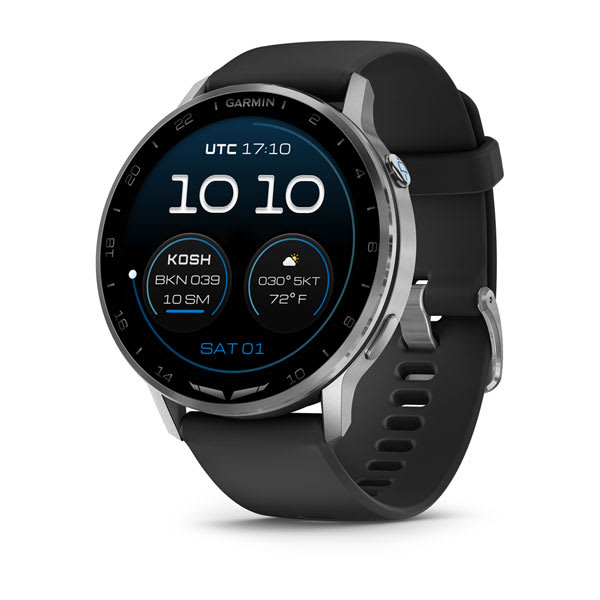
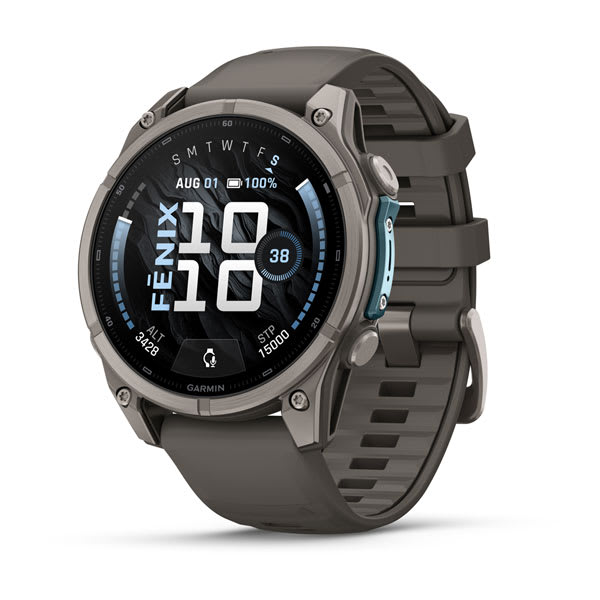
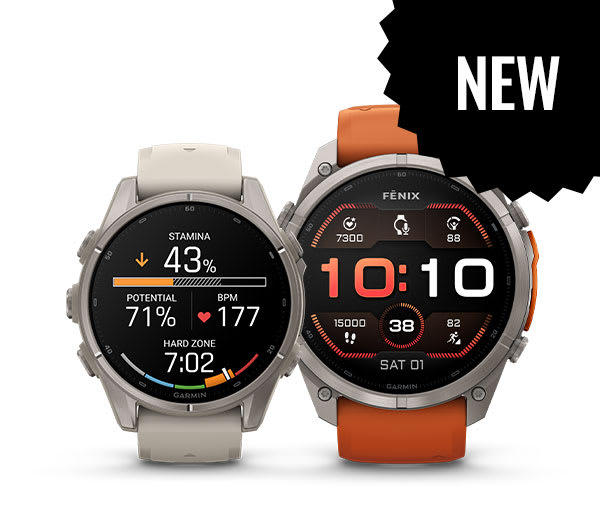
The 47mm fēnix 9 combines a 1.4-inch AMOLED display with sapphire crystal, a titanium bezel, multi-band GPS, full TopoActive mapping, a built-in flashlight, microphone and speaker, 40-metre dive support and up to 16 days of smartwatch battery life. Storage has doubled to 64GB, while Garmin says the redesigned mapping system can pan up to 30% faster than the fēnix 8.
Navigation is arguably the upgrade you'll notice most. Maps are more responsive, storage can accommodate considerably more mapping and music, and the brighter AMOLED display should be easier to read outside. Garmin has also introduced Stamina Zones, an updated Stamina Curve, improved rucking and indoor rowing metrics, and Garmin Epic, which groups multiple activities into shareable multi-day adventures.
The problem is that much of the new software isn't exclusive to the fēnix 9. Garmin plans to bring many of these features to the fēnix 8 and several other recent watches, substantially reducing the incentive for existing owners to upgrade.
That's especially relevant because the fēnix 8 Sapphire 47mm can currently be found for around CA$1,260 in Canada, versus CA$1,399.99 for the fēnix 9. If you're buying your first premium Garmin, the roughly $140 difference is small enough that the brighter screen, faster maps, double storage and newer platform make the fēnix 9 the better long-term purchase. If you already own a fēnix 8, however, the improvements aren't compelling enough.
Runners should also consider the lighter Forerunner 970, while ultrarunners may prefer the battery-focused Enduro 3. COROS' VERTIX 2S costs significantly less if long-distance training matters more than Garmin's enormous software ecosystem.
Early owners praise the display, mapping and fit, although there are also complaints about price and occasional interface lag. Because the fēnix 9 has only just launched, longer-term firmware reliability, GPS performance and battery behaviour still need more testing.
Comment
by
u/Plastic_Ant_2106 from discussion
in
GarminFenix
The fēnix 9 is therefore easy to recommend as a premium outdoor watch but difficult to recommend as a fēnix 8 upgrade. Garmin has made one of its best watches better; it simply hasn't made the old one obsolete.
How this review was made
Research Backed
Compared with the fēnix 8, Garmin's meaningful hardware upgrades are relatively focused: Much brighter AMOLED display is twice as bright as fēnix 8. 64 GB storage - double the previous generation. More memory for mapping. New map engine with Garmin claiming up to 30% faster panning. New perspective-style map view. Garmin Epic for grouping multiple activities/trips into one story. New Stamina Zones and Stamina Curve. More advanced rucking controls. Indoor rowing VO2 max, FTP, lactate threshold and power metrics with compatible equipment. Sapphire is standard on the fēnix 9. What has not dramatically changed is just as important: The 47mm fēnix 8 and fēnix 9 both carry an official up-to-16-day smartwatch battery claim, and many of the core health, training, GPS and smartwatch functions remain similar.
Key data
Specifications
- Display
- 1.4-inch AMOLED touchscreen
- Resolution
- 454 × 454
- Size
- 47 × 47 × 13.8 mm
- Weight
- 75 g; case only 53 g
- Band
- 22 mm QuickFit
- Storage
- 64 GB
- GPS
- Multi-band GPS + SatIQ
- Water rating
- 10 ATM
- Battery
- Up to 16 days smartwatch
- LED flashlight
- Yes
- Music
- Yes; Garmin says storage for up to ~7,000 songs
- Payments
- Garmin Pay
- Health
- HR, HRV, Pulse Ox, ECG, skin temperature, sleep, Body Battery, stress
- Connectivity
- Bluetooth, ANT+, Wi-Fi
Product data
Additional product information
| n Activity Profilesn | |
| Gym | Strength, HIIT, Cardio, Elliptical Training, Stair Stepping, Floor Climbing, Indoor Rowing, Jump Roping |
| Multisport | Swimming/Running, Triathlonrn |
| Wellness | Walking, Pilates, Yoga, Indoor Walking, Mobilityrn |
| Indoor running | Treadmill Running, Indoor Track Running, Virtual Runningrn |
| Outdoor running | Running, Outdoor Track Running, Trail Running, Ultra Running, Obstacle Racingrn |
| Outdoor recreation | Hiking, Rucking, Indoor Climbing, Bouldering, Mountaineering, Hunting, Horseback Riding, Golfing, Disc Golf, ArcheryXrn |
| Cycling | Biking, Road Biking, Mountain Biking, Gravel Biking, Bike Commuting, Bike Touring, eBiking, eMountain Biking, Indoor Biking, Cyclocross, BMXrn |
| Swim | Pool Swimming, Open Water Swimmingrn |
| On the water | Stand Up Paddleboarding, Rowing, Kayaking, Surfing, Kiteboarding, Windsurfing, Fishing, Boating, Sailing, Water Skiing, Wakeboarding, Wakesurfing, Tubing, Snorkeling, Whitewaterrn |
| Motor sports | Motorcycling, Overlanding, Motocrossing, ATVing, Snowmobilingrn |
| Racket sports | Tennis, Pickleball, Badminton, Squash, Table Tennis, Padel, Platform Tennis, Racquetball |
| Snow and winter | Skiing, Snowboarding, Backcountry Snowboarding, XC Classic Skiing, XC Skate Skiing, Backcountry Skiing, Ice Skating, Snowshoeingrn |
| Team sports | Basketball, Volleyball, Field Hockey, Ice Hockey, Football/Soccer, American Football, Lacrosse, Rugby, Ultimate Disc, Cricket, Softball, Baseballrn |
| In the ring | Boxing, Mixed Martial Arts |
| Dive | Scuba Diving (single gas), Apnea Diving |
| Other activity profiles | Inline Skatingrn |