Pros
- Exceptional heart-rate accuracy
- Very fast response to changing intensity
- Two simultaneous Bluetooth connections
- Built-in workout recording
- Excellent battery life and Replaceable battery
- Works with many third-party devices/apps
Cons
- H9 delivers similar core HR tracking for much less
- Chest straps aren't comfortable for everyone
- Occasional pairing/dropout reports
- software
- No rechargeable battery
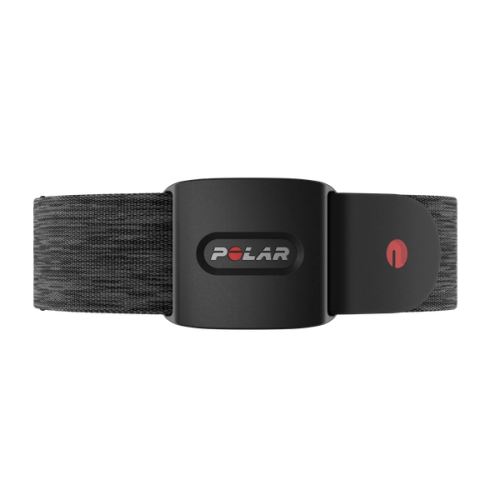
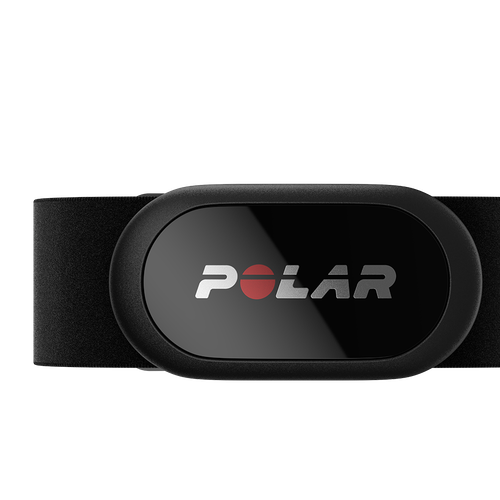
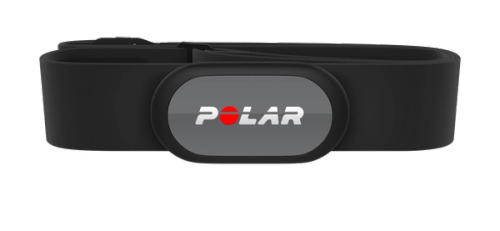
The Polar H10 has been around for years, but age hasn't knocked it off its perch as one of the most dependable heart-rate monitors you can buy. Its biggest strength remains refreshingly simple: exceptionally accurate heart-rate data.
A 2026 peer-reviewed validation comparing the H10 with a gold-standard ECG reported Pearson correlations above 0.99 for individual heart-rate measurement. Another 2026 study testing HRV and autonomic metrics reported concordance coefficients of 0.99 or higher and mean absolute percentage errors below 1%
Instead of estimating pulse optically from the wrist, the H10 uses electrical sensing across the chest. That difference becomes particularly useful during intervals, HIIT, cycling and other workouts where intensity changes rapidly. Recent scientific validation has also reinforced the H10's reputation, with studies finding extremely close agreement between its measurements and clinical ECG equipment.
Connectivity is another reason the H10 has aged so well. It supports ANT+, 5 kHz GymLink and two simultaneous Bluetooth connections, allowing it to work with sports watches, phones, bike computers, gym equipment and numerous third-party apps. It can also record one workout internally, meaning you don't necessarily need to carry a phone or wear a watch during training.
Battery life is equally impressive. A replaceable CR2025 provides up to 400 hours of training, while the removable Polar Pro Strap is comfortable, secure and machine washable.
The problem in 2026 is no longer whether the H10 is good. It's whether it's worth CA$158.99.
Polar's H9 costs roughly CA$53 less while providing the same basic electrical heart-rate measurement, ANT+, Bluetooth and 400-hour battery life. Buyers who don't need offline recording or two simultaneous Bluetooth connections may therefore find the H9 considerably better value.
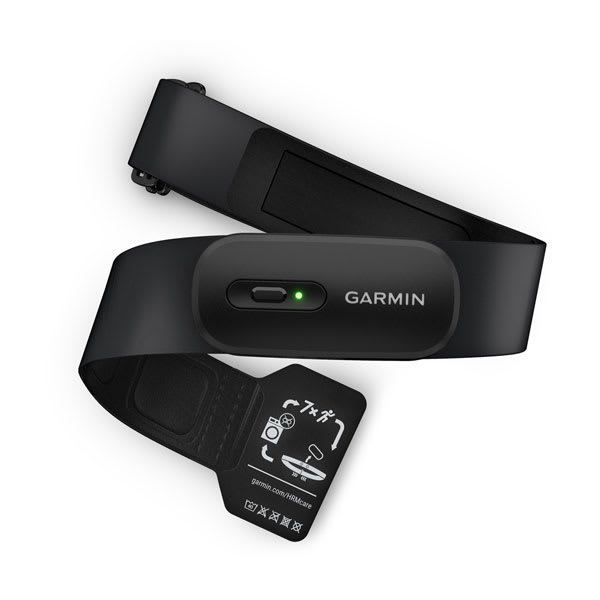
Garmin's newer HRM 200 is another serious threat. At around CA$119.99, it provides accurate HR and HRV tracking, ANT+, Bluetooth and long battery life. Garmin users who simply want better heart-rate data during workouts have little reason to spend extra on the H10.
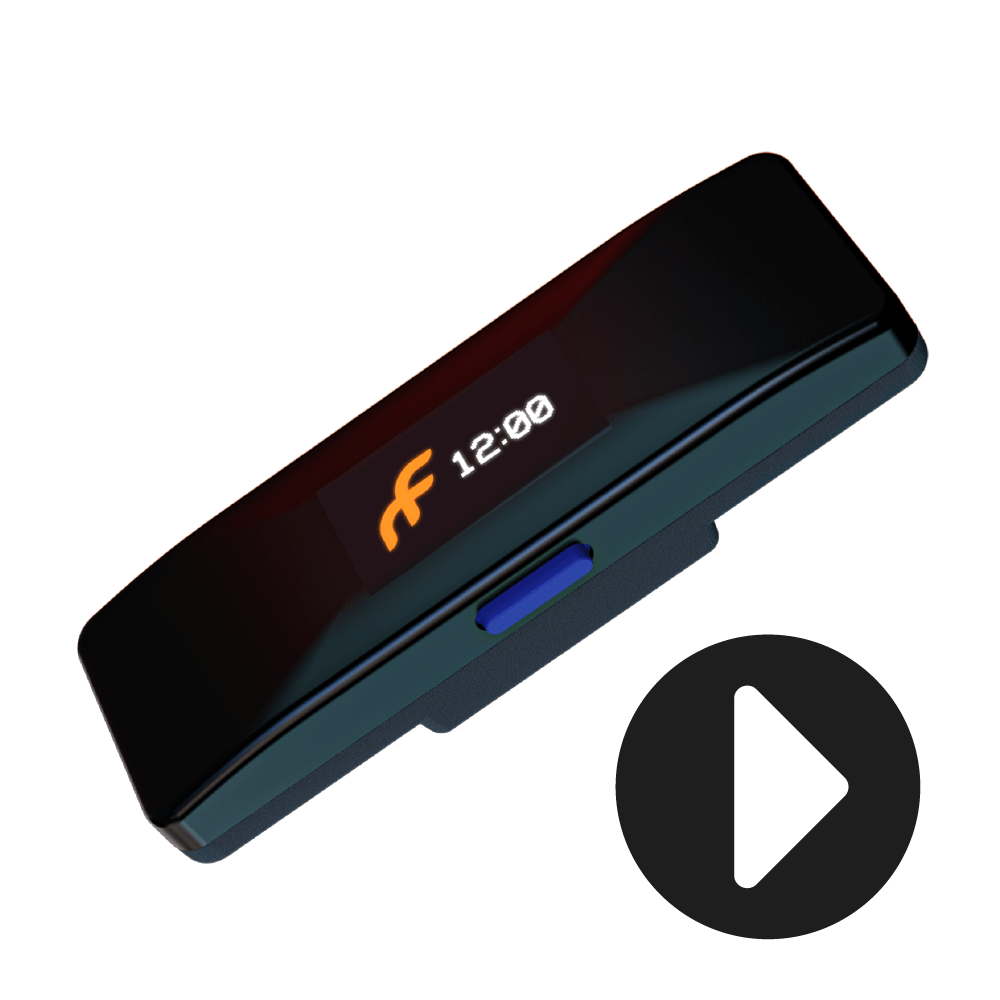
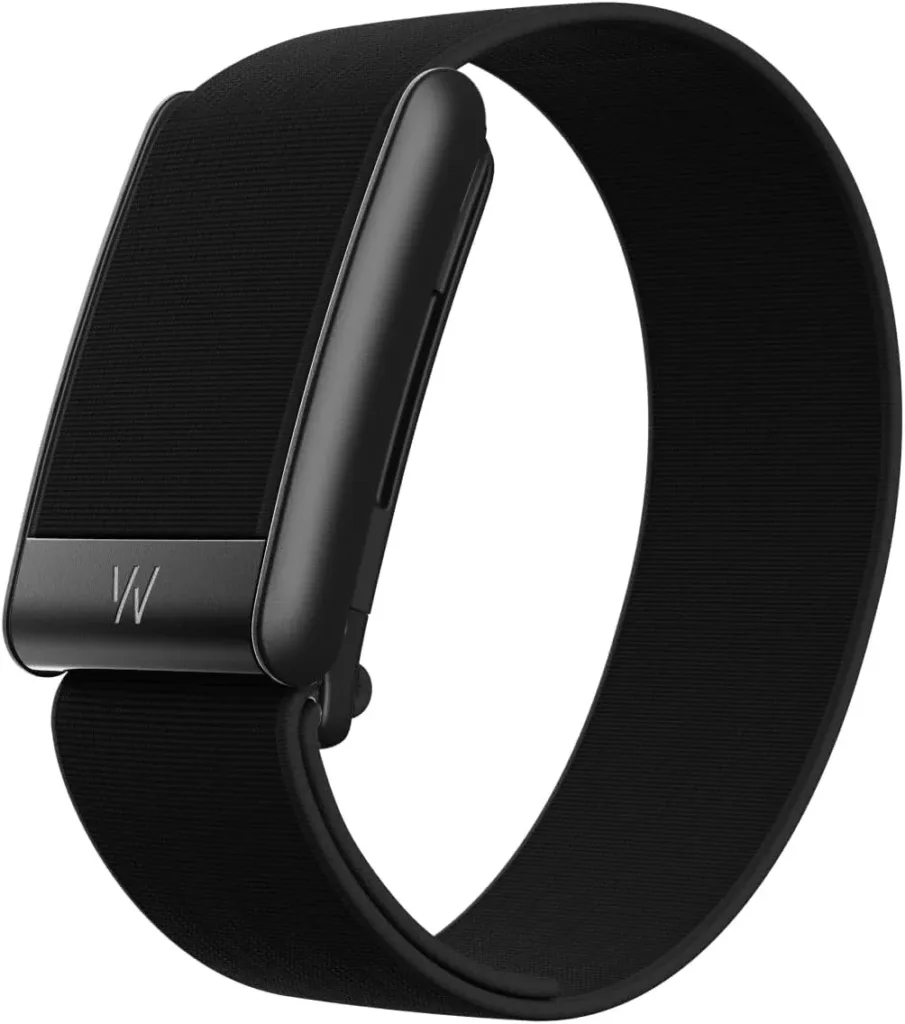
Wahoo's TRACKR takes another approach, offering rechargeable power, status LEDs and up to three Bluetooth connections for slightly less than Polar's asking price. Meanwhile, Garmin's much more expensive HRM 600 makes more sense for runners who want advanced Garmin-specific metrics rather than merely better heart-rate accuracy.
There are also recurring owner reports of aging Polar straps developing dropouts or strange readings, although many users report keeping the H10 sensor itself for years and simply replacing the strap.
Ultimately, the Polar H10 remains the accuracy-first choice. It's not the cheapest chest strap anymore, nor the most feature-packed, but if trustworthy heart-rate data is the priority, very few products have a stronger case.
Key data
Specifications
- Product
- Polar H10 Heart Rate Sensor
- Tech
- Electrical/ECG chest-strap heart-rate monitor
- Battery
- Up to 400 hours - Replaceable CR2025
- Connectivity
- Bluetooth LE, ANT+, 5 kHz GymLink
- Simultaneous Bluetooth
- 2 devices
- Water resistance
- 30 m / WR30
- Weight
- 60 g including strap
- Warranty
- 2 years in Canada