Ray-Ban Meta Audio Launches Without a Camera, Gets 12-Hour Battery
Meta has announced a new pair of smart glasses that ditch the cameras and focus on audio-only interaction. Made in collaboration with EssilorLuxottica, the Ray-Ban glasses are available in two main designs that can be customized in more than two dozen ways.
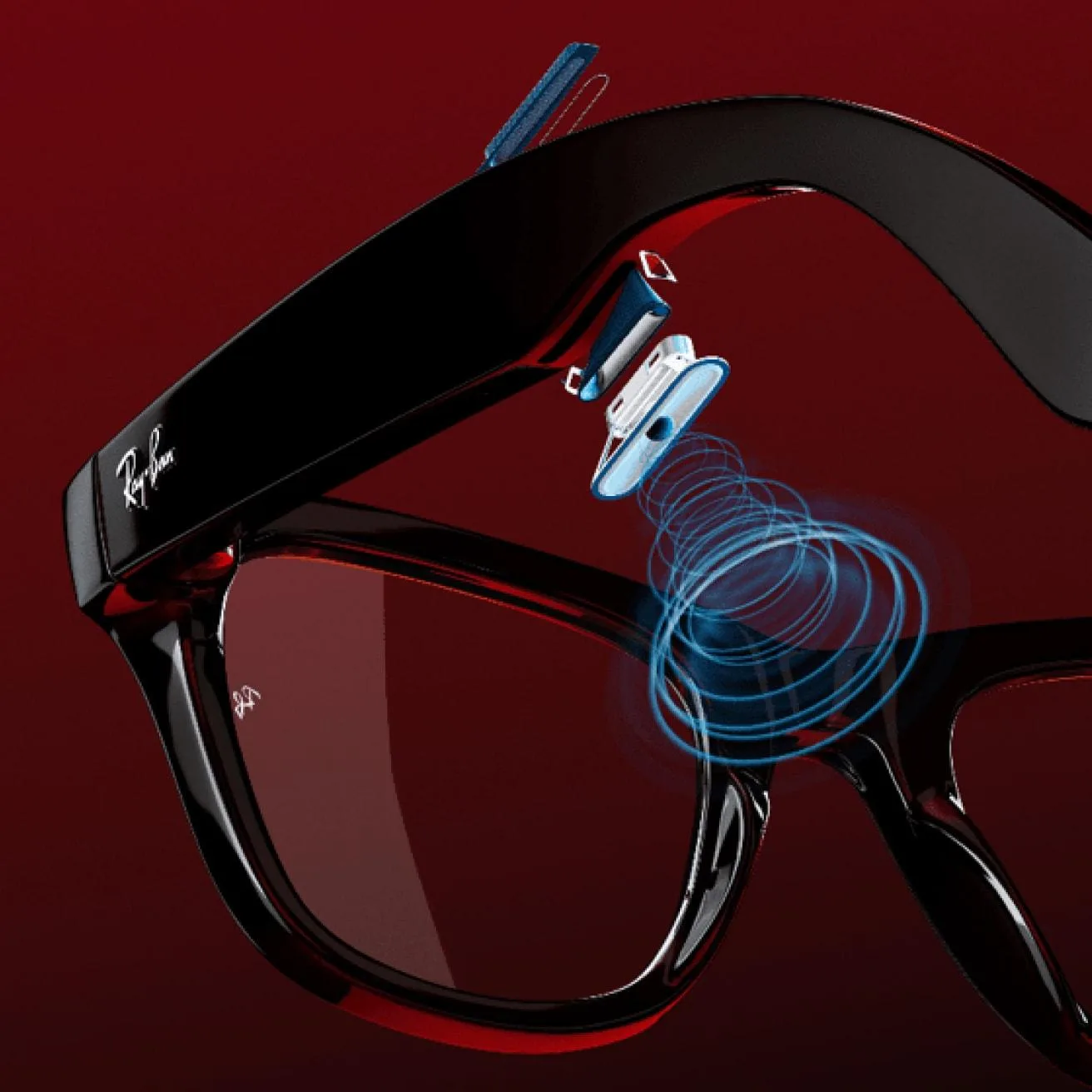
Meta is taking its smart glasses in a slightly unexpected direction. Instead of adding another camera, a brighter display or more sensors, the company has removed arguably the most controversial part of smart glasses altogether.
The new Ray-Ban Meta Audio are Meta’s first camera-free Ray-Ban AI glasses. They keep open-ear audio, microphones, hands-free calling and Meta AI, but there is no camera pointed at the people around you.
Announced at Meta Connect 2026, the glasses start at $349 USD, are available for pre-order now and are scheduled to begin shipping on October 13, 2026.
And removing the camera does more than address privacy concerns. It also gives Meta room to make the glasses lighter and dramatically improve battery life.
Ray-Ban Meta Audio are smart glasses without the camera
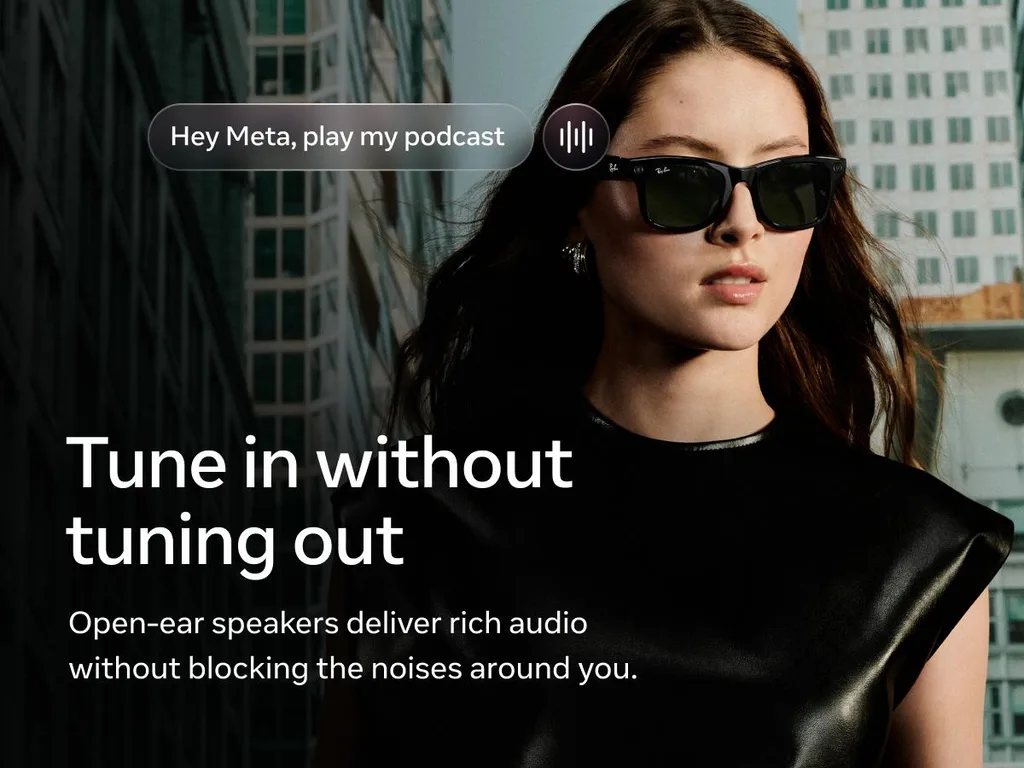
The basic idea is straightforward: take some of the most-used features of Ray-Ban Meta glasses and remove photography and video recording.
Meta says audio has consistently been the most popular feature of its AI glasses. Ray-Ban Meta Audio therefore combines two open-ear speakers, a six-microphone array, Meta AI and Bluetooth connectivity inside a pair of relatively normal-looking Ray-Ban frames.
You can use them to listen to music and podcasts without blocking your ears, make and receive calls, send voice messages and interact with Meta AI hands-free.
Meta AI can be activated using the familiar “Hey Meta” command or through the physical action button on the right temple. Notebookcheck also reports that Meta says the glasses aren’t continuously listening for conversations outside the activation mechanism.
What you can’t do is take a picture or record video — because there’s simply no camera.
Removing the camera has a big battery benefit
The camera deletion isn’t only about privacy. Ray-Ban Meta Audio are rated for up to 12 hours on a single charge, while the included charging case provides another 48 hours of use. That gives the system up to 60 hours before the case itself needs to be recharged.
That’s particularly interesting next to the newly announced Ray-Ban Meta Gen 3, which Meta rates for up to nine hours per charge. Gen 3 retains its 12MP camera and can record 3K Ultra HD video.
| Feature | Ray-Ban Meta Audio | Ray-Ban Meta Gen 3 |
|---|---|---|
| Camera | No | 12MP |
| Video recording | No | Up to 3K Ultra HD |
| Battery | Up to 12 hours | Up to 9 hours |
| Audio | Open-ear | Open-ear |
| Microphones | 6-mic array | 6-mic array |
| Meta AI | Yes | Yes |
| Starting price | $349 USD | $449 USD |
That makes the Audio model less of a cheaper Gen 3 and more of a different branch of Meta’s smart-glasses lineup.
They’re also Meta’s lightest AI glasses yet
Getting rid of the camera and associated hardware has helped Meta shrink the design.
Ray-Ban Meta Audio start at just 43 grams, making them the company’s lightest and slimmest AI glasses so far. Meta has also added professionally adjustable temple tips, adjustable or swappable nose pads and overextension hinges intended to make them comfortable enough for extended wear. Facebook
That’s important because smart glasses have an awkward problem traditional wearables don’t: you’re wearing the device directly on your face.
A few grams and a thinner temple can make a meaningful difference after several hours.
Clubmaster and Burbank styles lead the lineup


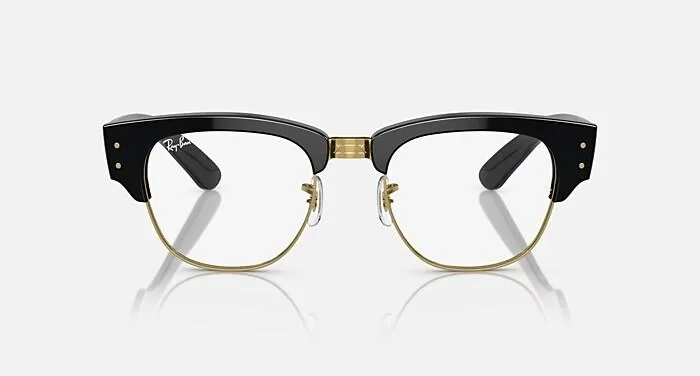
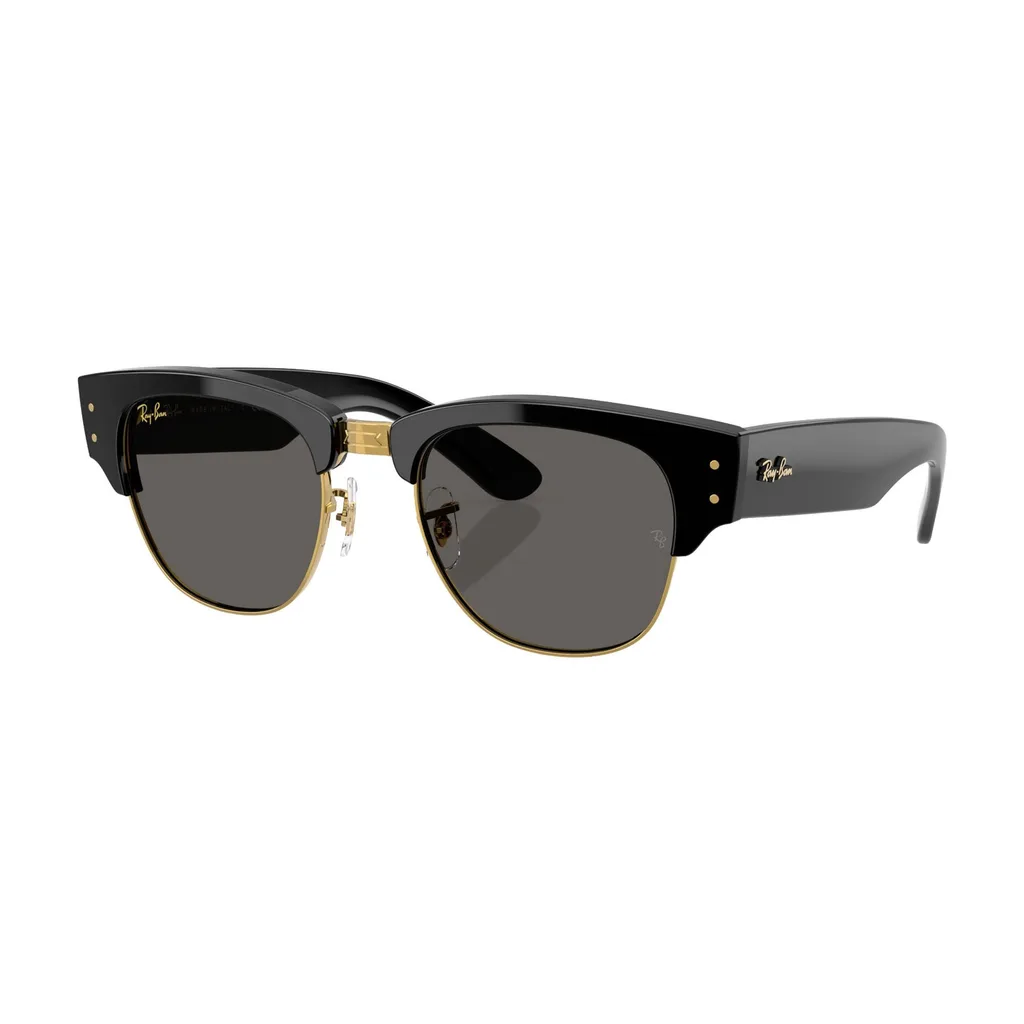
Meta isn’t launching the Audio hardware inside one generic tech frame either.
There are two main designs:
- Clubmaster — the recognizable retro-inspired Ray-Ban silhouette.
- Burbank — a more traditional rectangular frame.
Together, Meta says there are 23 frame, color and lens combinations, and both styles support a wide range of optical prescriptions.
The Canadian Ray-Ban store is already listing the Ray-Ban Meta Audio collection, including Burbank configurations with options such as clear blue-violet filtering and Transitions lenses.
That prescription support could be particularly important. Instead of asking someone to wear another gadget, Meta can potentially replace the glasses they already use every day.
No camera changes the smart-glasses privacy conversation
This might ultimately be the biggest reason Ray-Ban Meta Audio exists.
Camera-equipped smart glasses create an unavoidable social issue: someone looking at the wearer can’t necessarily know whether they’re being recorded without checking the capture indicator.
Meta has already introduced safeguards for its camera-equipped glasses. Its current systems use a visible capture LED, and Meta says newer models disable their cameras when they detect that the LED has been blocked or tampered with.
Ray-Ban Meta Audio sidesteps that particular issue. There isn’t a camera to disable.
The Verge reported that Meta says development of the audio-only glasses began years ago and wasn’t simply a response to the more recent privacy backlash surrounding camera-equipped wearables. Meta VP of wearables Alex Himel said the company identified audio as a particularly important smart-glasses use case roughly two years ago.
Of course, camera-free doesn’t mean sensor-free or privacy-free. These glasses still contain microphones, connect to Meta’s software ecosystem and provide access to Meta AI. Buyers concerned about data collection should still review Meta’s privacy controls and policies.
But from the perspective of the person standing across from you, removing the camera eliminates one very obvious concern: the glasses cannot secretly photograph or film them.
Meta is turning smart glasses into a product category
Ray-Ban Meta Audio also makes more sense when viewed alongside everything else Meta announced at Connect.
Instead of trying to build one pair of glasses that does everything, Meta and EssilorLuxottica are rapidly expanding the number of styles and hardware configurations available.
The companies say they expect to offer more than 100 AI-glasses options across Ray-Ban, Oakley and Meta Glasses by the end of 2026.
That increasingly resembles the traditional eyewear business. Someone who wants photography and video can choose Ray-Ban Meta Gen 3. Someone primarily interested in music, calls and AI can choose Ray-Ban Meta Audio. Different frame shapes, lenses and prescription options then sit on top of those hardware choices.
That’s potentially a smarter approach than treating smart glasses like smartphones where everyone carries roughly the same slab of hardware.
Price and availability
Meta says Ray-Ban Meta Audio start at $349 USD, with pre-orders already open and shipping scheduled to begin October 13, 2026.
The glasses are also listed on Ray-Ban Canada, although pricing varies depending on the frame and lens configuration.
For reference, some U.S. configurations with upgraded Transitions lenses are listed above the base price, so the $349 figure shouldn’t be treated as the price for every combination.
Reader questions
Frequently asked questions
Do Ray-Ban Meta Audio glasses have a camera?
No. Ray-Ban Meta Audio are completely camera-free. They focus on open-ear audio, calls and Meta AI rather than photography or video recording.
How long does Ray-Ban Meta Audio battery last?
Meta rates the glasses for up to 12 hours per charge. The included charging case provides up to another 48 hours, giving up to 60 hours combined.
How much do Ray-Ban Meta Audio cost?
Prices start at $349 USD, although the final price depends on the frame, lenses and prescription options selected.
When will Ray-Ban Meta Audio be released?
Pre-orders opened following Meta Connect 2026, with shipping scheduled to begin on October 13, 2026.
Can Ray-Ban Meta Audio play music?
Yes. They use open-ear speakers and can be used for music, podcasts and other audio without putting earbuds inside your ears.
Do Ray-Ban Meta Audio support prescription lenses?
Yes. Meta says both the Clubmaster and Burbank versions support a wide range of optical prescriptions.
What's the difference between Ray-Ban Meta Audio and Ray-Ban Meta Gen 3?
The biggest difference is the camera. Ray-Ban Meta Audio have no camera and offer up to 12 hours of battery life. Ray-Ban Meta Gen 3 include a 12MP camera capable of 3K Ultra HD video and are rated for up to nine hours of battery life.
Sources
Primary source: Meta — Introducing Ray-Ban Meta Audio and More AI Glasses Styles
Official product page: Ray-Ban Canada — Ray-Ban Meta Audio
Manufacturer partnership announcement: EssilorLuxottica — Meta Connect 2026 AI glasses announcement
Independent context: The Verge — Meta ditches the camera on its newest smart glasses
Privacy background: Meta — AI glasses privacy and camera safeguards
Latest reviews
Affiliate links
Some links in our posts are affiliate links. We may earn a commission at no extra cost to you.
How we work