Xiaomi Smart Band 11 Active vs Samsung Galaxy Fit3
The Xiaomi Smart Band 11 Active and Samsung Galaxy Fit3 are both affordable fitness trackers, but they focus on slightly different priorities. Xiaomi keeps things simple with a lightweight design, basic health tracking, 50 fitness modes and very long battery life. Samsung gives you a larger AMOLED display, more workout modes, extra sensors and tighter integration with Android phones, especially Galaxy devices. For most buyers, the decision comes down to whether you want a straightforward tracker that lasts longer between charges or a more feature-rich band with a better screen and stronger smart features.
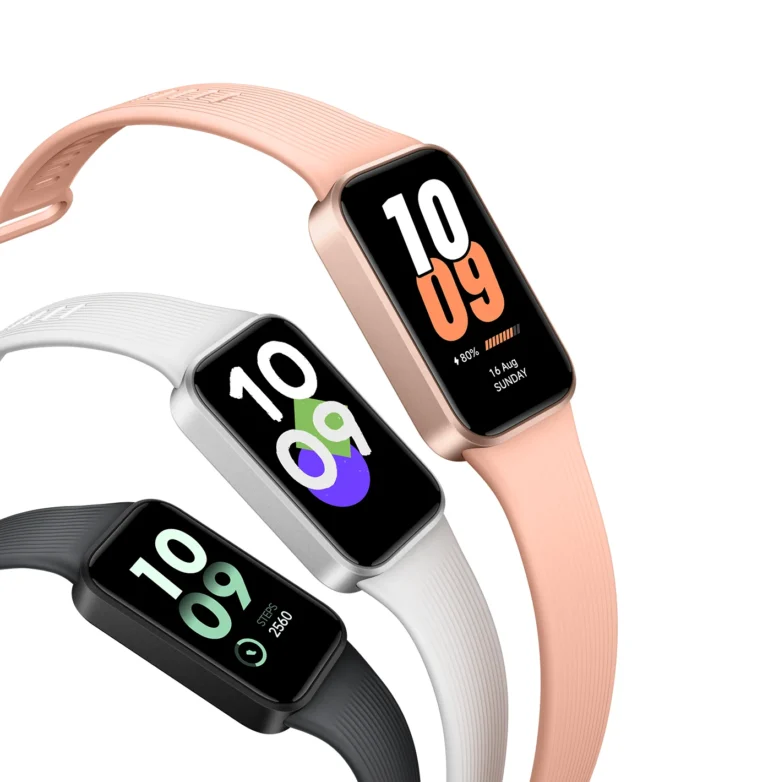
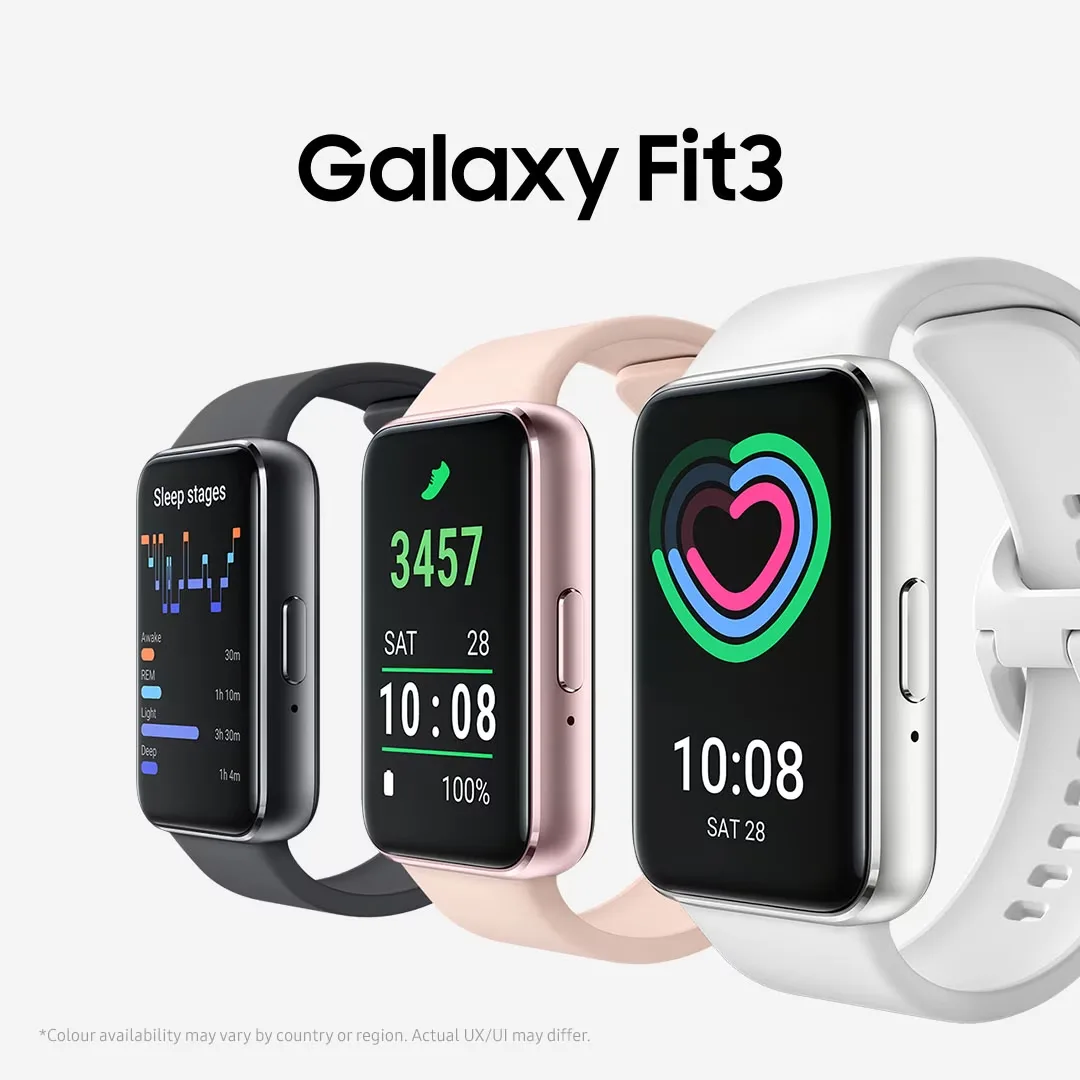
| Xiaomi Smart Band 11 Active | Samsung Galaxy Fit3 | Takeaway | |
|---|---|---|---|
| Display | 1.47-inch TFT, 172 × 320 | 1.6-inch AMOLED, 256 × 402 | Galaxy Fit3 has the larger, sharper and more vibrant display |
| Battery life | Up to 21 days light use | Up to 13 days | Xiaomi is better if charging less often is the priority |
| Fitness modes | 50 fitness modes | 100+ exercises | Galaxy Fit3 supports a much wider range of workouts |
| Phone compatibility | Android and iOS | Android only | Xiaomi is the better fit for iPhone users |
| Sensors | PPG sensor, accelerometer | Accelerometer, barometer, gyroscope, heart-rate sensor, light sensor | Galaxy Fit3 has a broader sensor package |
| Smart features | Basic notifications and fitness functions | Notifications, media controls, camera controls and preset text replies | Galaxy Fit3 behaves more like a smartwatch companion |
| Safety features | No comparable fall-detection feature listed | Fall detection and SOS emergency calling | Galaxy Fit3 adds useful safety-focused features |
| Weight | 18g body | 18.5g body | Both are very lightweight, with almost no meaningful weight difference |
| Water resistance | 5ATM | 5ATM + IP68 | Both handle swimming, while Galaxy Fit3 also carries an IP68 rating |
| Battery capacity | 300mAh | 208mAh | Xiaomi has the larger battery and the longer quoted endurance |
Choose Xiaomi Smart Band 11 Active if
- You want the longer battery-life claim.
- You prefer a very simple, lightweight fitness band.
- You mainly care about steps, heart rate, SpO₂, sleep and stress.
- You use iPhone or Android.
- You don’t need a premium AMOLED screen.
- You’re happy with 50 workout modes.
- Xiaomi rates the Smart Band 11 Active for up to 21 days of light use, and it works with Android 8.0 or iOS 14.0 and newer.
Choose Samsung Galaxy Fit3 if
- You want a larger AMOLED display.
- You want more workout options.
- You use an Android phone, especially a Samsung Galaxy.
- You care about phone controls, notifications and quick replies.
- You want additional sensors such as a barometer, gyroscope and ambient-light sensor.
- Features like fall detection and SOS matter to you.
- The Galaxy Fit3 has a 1.6-inch AMOLED display, tracks 100+ exercises, and Samsung rates it for up to 13 days of battery life.
The takeaway
Smart Band 11 Active is the simpler option and puts more emphasis on battery life and basic health tracking. The Galaxy Fit3 offers the more advanced overall experience, especially if display quality, workout variety and phone integration matter more to you. Compatibility is also a major difference: Xiaomi supports both Android and iOS, while Samsung says the Galaxy Fit3 is Android-only. Xiaomi Japan
The biggest difference between the Xiaomi Smart Band 11 Active and Samsung Galaxy Fit3 is how each balances simplicity against features. Xiaomi focuses on long battery life, lightweight wear and straightforward health tracking, while Samsung pushes closer to a smartwatch experience with a larger AMOLED display, more workout modes, additional sensors and better phone integration.
The Galaxy Fit3 is the stronger fit for users who want a richer display and more smart features, especially within the Samsung ecosystem. The Smart Band 11 Active makes more sense for users who care more about battery life, iPhone compatibility and basic fitness tracking without extra complexity. Neither has built-in GPS, so serious runners who want phone-free route tracking may need to look elsewhere.