Oura Ring 5 vs Galaxy Ring: Subscription or Samsung Ecosystem?
The Oura Ring 5 and Samsung Galaxy Ring are both premium smart rings built around sleep, recovery and all-day health tracking, but they take very different approaches. Oura leans heavily into deeper health insights, recovery metrics and a mature app experience, while Samsung focuses on tight integration with Galaxy phones, Samsung Health and a subscription-free ownership model. For most buyers, the real question is not simply which ring has more sensors. It is whether you want Oura’s broader health-analysis platform and are comfortable paying for membership, or prefer the Galaxy Ring’s one-time purchase model and stronger Samsung ecosystem integration.
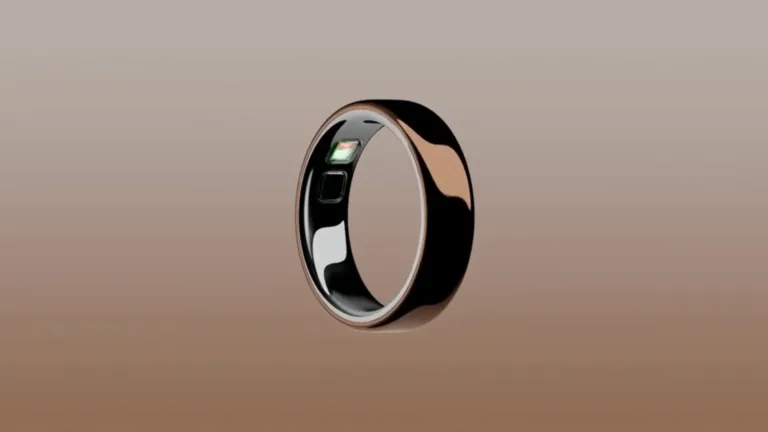
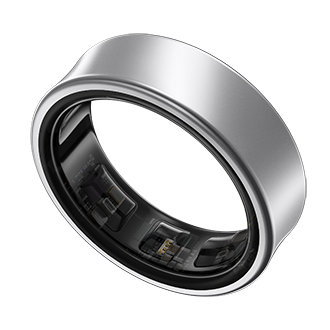
| Oura Ring 5 | Galaxy Ring | Takeaway | |
|---|---|---|---|
| Subscription | Oura membership required for full insights | No separate ring subscription | Samsung has the simpler long-term ownership cost |
| Battery life | Typically 6–9 days | Up to 7 days depending on size | Oura has the longer quoted maximum battery life |
| Health platform | Oura App with detailed readiness, sleep, stress and cardiovascular insights | Samsung Health with Energy Score and Galaxy AI wellness insights | Oura focuses more on interpretation, Samsung on ecosystem integration |
| Phone compatibility | iPhone and Android | Best suited to Samsung Galaxy/Android ecosystem | Oura is the more flexible choice across phone platforms |
| Ecosystem integration | Integrates with third-party health and fitness services | Deep integration with Samsung Health and Galaxy Watch | Galaxy Ring is more compelling for existing Samsung users |
| Watch integration | Works independently and integrates with external services | Can coordinate tracking with Galaxy Watch | Samsung can reduce duplicated tracking and improve battery efficiency |
| Battery optimization with watch | No comparable watch-specific battery feature | Galaxy Watch pairing can extend ring battery life by up to 30% | Samsung offers a unique benefit for Galaxy Watch owners |
| Sleep tracking | Detailed sleep analysis and readiness-focused interpretation | Sleep stages, blood oxygen, temperature and Energy Score | Both track sleep, but Oura emphasizes deeper interpretation |
| Heart metrics | 24/7 heart rate plus cardiovascular age and cardio capacity features | Heart rate monitoring within Samsung Health | Oura offers a broader set of cardiovascular insights |
| Stress tracking | Daytime Stress and recovery-focused insights | Wellness and Energy Score features | Oura provides more dedicated stress-analysis tools |
| Charging | Dedicated charger | Portable charging case | Samsung's case is more convenient for travel |
| Water resistance | 100m / 328ft | 10ATM + IP68 | Both are suitable for everyday water exposure and swimming |
| Weight | Varies by size | 2.3g–3.2g depending on size | Both are extremely lightweight |
Choose Oura Ring 5 if
- You want deeper sleep, recovery and readiness insights.
- You care about long-term health trends and detailed interpretation.
- You use iPhone or Android.
- You want integrations with services such as Strava and other health platforms.
- You are comfortable paying for an ongoing Oura membership.
- You want slightly longer quoted battery life.
Choose Galaxy Ring if
- You already use a Samsung Galaxy phone.
- You want your ring data inside Samsung Health.
- You do not want an ongoing subscription.
- You use a Galaxy Watch and want the devices to work together.
- You value Samsung’s Energy Score and Galaxy AI wellness features.
- You prefer a charging case rather than a dedicated ring charger.
The takeaway
The Oura Ring 5 is aimed at users who want deeper health interpretation and a more established smart-ring platform, while the Galaxy Ring makes more sense for users who already rely on Samsung Health and want to avoid another monthly subscription. Both cover the fundamentals of sleep, heart rate, activity and temperature tracking. The deciding factors are more likely to be subscription cost, phone ecosystem, app experience and how deeply you want your health data interpreted.
Oura Ring 5 vs Samsung Galaxy Ring
The biggest difference between the Oura Ring 5 and Galaxy Ring is the software experience rather than the hardware alone. Oura has built its identity around interpreting health data—sleep quality, readiness, stress, cardiovascular trends and recovery—while Samsung positions the Galaxy Ring as another part of the broader Galaxy Health ecosystem. If you already wear a Galaxy Watch, Samsung can even coordinate tracking between the watch and ring and says this can extend Galaxy Ring battery life by up to 30%.
The trade-off is ownership cost. Oura’s more extensive analytics are tied to an active membership, while Samsung’s core Galaxy Ring experience is built into Samsung Health without a separate ring subscription. That makes this comparison less about which device can measure heart rate or temperature—both can—and more about which health ecosystem you want to live in for the next several years.