Oura Ring 5 vs RingConn Gen 3: Which Smart Ring Is Better?
The Oura Ring 5 and RingConn Gen 3 take two noticeably different approaches to the smart-ring experience. Oura Ring 5 is smaller, lighter and backed by Oura's well-developed sleep, recovery and health-insight platform, but getting the full experience requires an ongoing membership. RingConn Gen 3 offers significantly longer battery life, a charging case, vibration alerts and several distinctive health features without a mandatory subscription.
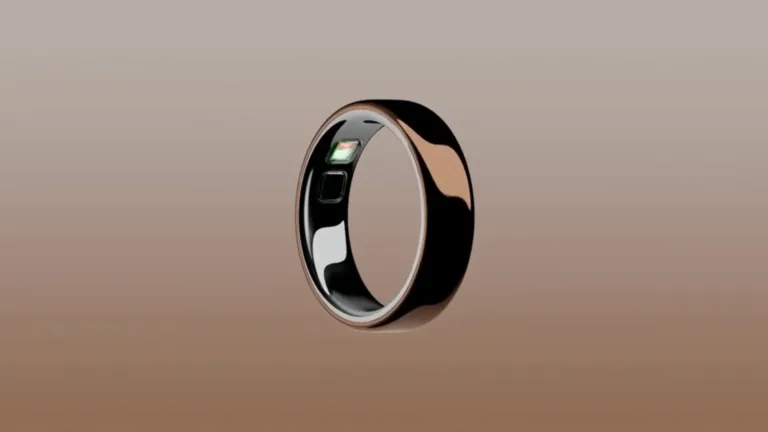
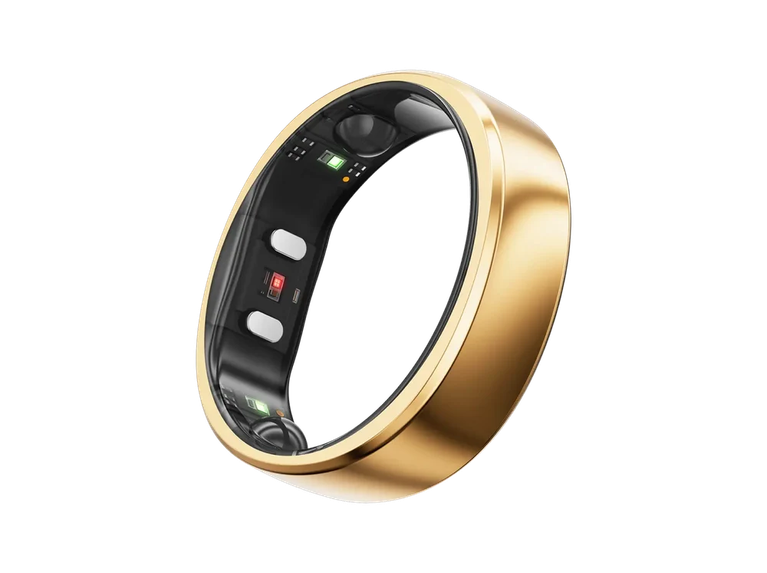
| Oura Ring 5 | RingConn Gen 3 | Takeaway | |
|---|---|---|---|
| Starting price | From $399 USD | From $349 USD | RingConn starts cheaper before subscription costs are considered. |
| Subscription | CA$7.99/month or CA$89.99/year for full features | No mandatory subscription | RingConn is cheaper to own long term. |
| Battery life | Around 6–9 days | Up to 14 days | RingConn needs charging less often. |
| Charging | Standard charger; charging case optional | Charging case included | RingConn is more convenient for travel. |
| Weight | From about 2 g | Around 2.5–3.5 g | Oura is slightly lighter, especially in smaller sizes. |
| Thickness | About 2.28 mm | About 2.3 mm | Very similar, with Oura being marginally thinner. |
| Ring sizes | 6–13 | 6–15 | RingConn offers more options for larger fingers. |
| Sleep and recovery | Strong focus on Sleep Score, Readiness, Resilience and recovery insights | Strong sleep tracking plus sleep-apnea pattern insights | Oura focuses more on polished recovery interpretation, while RingConn adds some distinctive sleep-health tools. |
| Cardiovascular insights | Cardiovascular Age and Cardio Capacity | Vascular Health Insights and blood-pressure trend features | They take different approaches to cardiovascular tracking. |
| Vibration alerts | No | Yes | RingConn can provide physical alerts directly from the ring. |
| Offline storage | Up to about 3 days | Up to about 10 days | RingConn can go longer without syncing to your phone. |
| App integrations | 100+ apps/services | Apple Health and Google Health Connect | Oura has the broader ecosystem. |
| Finishes | 6 | 5 | Oura gives slightly more style choice. |
| Water resistance | 10 ATM / 100 m | 10 ATM / 100 m | No meaningful difference here. |
Choose Oura Ring 5 if
- Choose the Oura Ring 5 if sleep, recovery and long-term health trends are your biggest priorities. Oura offers features such as Cardiovascular Age, Cardio Capacity, Resilience, detailed sleep analysis and a broad ecosystem of health integrations. The Ring 5 is also slightly thinner and can weigh as little as 2 g, making it an especially discreet option for continuous wear. The trade-off is shorter battery life and an ongoing membership for the full set of insights.
Choose RingConn Gen 3 if
- Choose the RingConn Gen 3 if you want better value over the long term, especially if you dislike subscriptions. It offers up to 14 days of battery life, a universal wireless charging case, vibration alerts, sleep-apnea pattern insights and vascular-health trends without requiring a monthly fee. It also supports sizes up to 15, making it the better option for users outside Oura Ring 5's narrower size range.
The takeaway
Both rings cover the essentials such as sleep, heart rate, HRV, blood oxygen, temperature trends and activity tracking, so the decision comes down more to how you want to use the data. Oura Ring 5 puts more emphasis on polished recovery and health interpretation, while RingConn Gen 3 emphasizes battery life, subscription-free ownership and additional hardware features such as vibration alerts. Neither approach is automatically better; they suit different priorities.
If your priority is the most polished sleep and recovery experience, choose the Oura Ring 5. If you care more about longer battery life, no subscription and better long-term value, choose the RingConn Gen 3.
The biggest difference between the Oura Ring 5 and RingConn Gen 3 is not really the sensors — both cover the core smart-ring basics such as sleep, heart rate, HRV, blood oxygen, temperature trends and activity tracking. The difference is what each company does with that data. Oura has built a more mature health and recovery platform around metrics such as Readiness, Resilience, Cardiovascular Age, Cardio Capacity and detailed sleep analysis, so it is better suited to someone who wants their wearable to interpret long-term patterns rather than simply show raw measurements. Those deeper insights do require an active Oura membership, which adds an ongoing ownership cost.
RingConn Gen 3 takes a more value-focused approach. It requires no mandatory subscription, offers substantially longer battery life, includes a charging case and adds features Oura does not offer, including vibration alerts and sleep-apnea pattern insights. RingConn also supports a wider size range and can store more data before syncing. In practical terms, Oura Ring 5 is the stronger fit for users who want deeper recovery interpretation and a broader health ecosystem, while RingConn Gen 3 makes more sense for buyers who want fewer charging interruptions and don’t want another recurring fee. Neither ring completely replaces a dedicated sports watch, but for continuous sleep and recovery tracking, they represent two of the strongest — and quite different — approaches to the smart-ring category.