VITURE Pro 2 XR Glasses Review: Outstanding Value at $299
Bright 120Hz Micro-OLED displays, excellent vision adjustment and a lighter design make VITURE's affordable XR glasses difficult to beat.
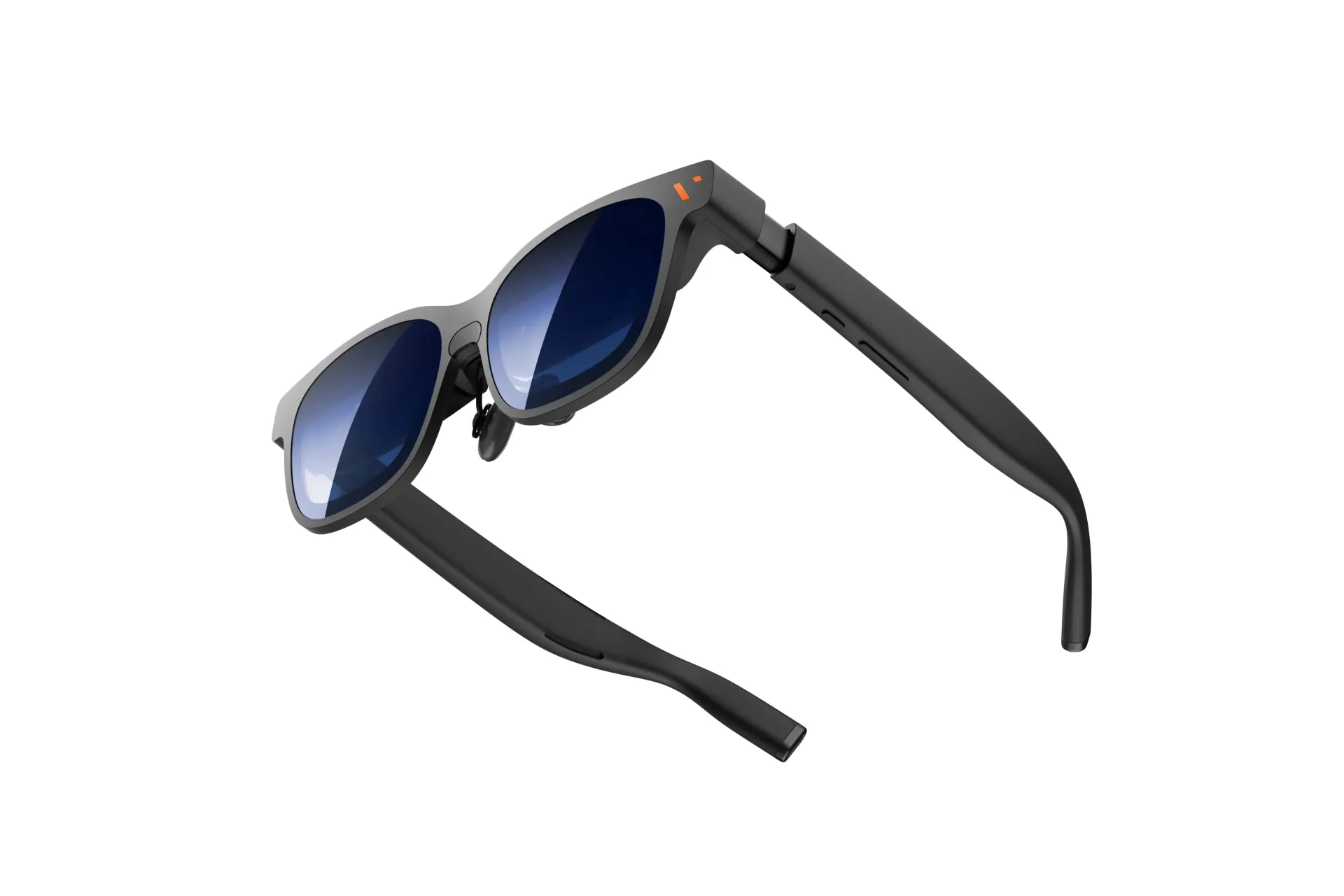
What stands out
Pros
- Excellent image clarity
- Bright 1,600-nit Micro-OLED displays
- Smooth 120Hz gaming
- Built-in 0 to -5.0D adjustment
+ View 4 more
- Highly adjustable fit
- Very light at 63g
- Large 146-inch virtual screen
- USB-C connection
Cons
- Average built-in audio
- No electrochromic dimming
- No native 6DoF
- No HDR10 support
Product specifications
- Display
- Sony Micro-OLED
- Resolution
- 1920 × 1080 per eye
- Refresh rate
- Up to 120Hz
- Virtual screen
- Up to 146-inch
- Field of view
- 50°
- Brightness
- Up to 1,600 nits perceived
- Weight
- 63g / 2.2 oz
- Vision adjustment
- 0 to -5.0D per eye
- Connection
- USB-C
- Audio
- Built-in open-ear spatial speakers
- 3DoF
- Via SpaceWalker
- 6DoF
- No
- Electronic dimming
- No
Before you buy
VITURE Pro 2 takes a slightly unusual approach to upgrading an XR product: rather than adding expensive spatial-computing hardware, VITURE concentrated on the things users notice every time they put the glasses on — image clarity, comfort and fit. At $299, that strategy works remarkably well.
The Pro 2 uses Sony Micro-OLED displays delivering a 1920 × 1080 image per eye, up to a 120Hz refresh rate, 1,600 nits of perceived brightness and a 50-degree field of view. VITURE markets its upgraded optics as UltraClarity 3.0, and professional hands-on testing largely supports the claim. Reviewers repeatedly praise the sharp image, with The Verge finding small text, menus and game UI clear across almost the entire display.
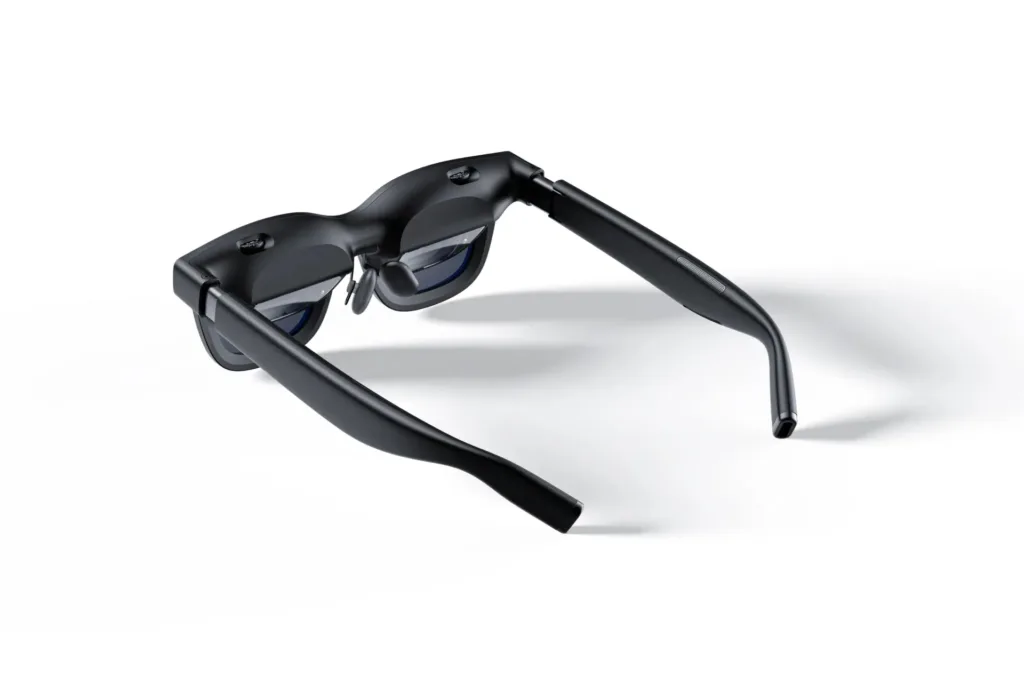
Arguably the Pro 2’s best feature, however, is its independent 0 to -5.0D diopter adjustment. Nearsighted users can adjust each eye separately without immediately purchasing prescription inserts. Combined with adjustable temple angles and multiple nose-pad positions, the glasses provide substantially more fit customization than many competitors.
Gaming is where the Pro 2 makes the most sense. Compatible USB-C devices such as the Steam Deck can connect directly, and the 120Hz display gives games a smooth, responsive presentation. Movies also benefit from the bright OLED panels and large virtual-screen effect.
There are compromises. Built-in audio receives mixed-to-poor feedback, the right temple can become warm during longer sessions, and VITURE has removed electronic lens dimming in favour of an included physical shade. Advanced spatial functionality relies heavily on SpaceWalker and accessories, while native 6DoF isn’t available.
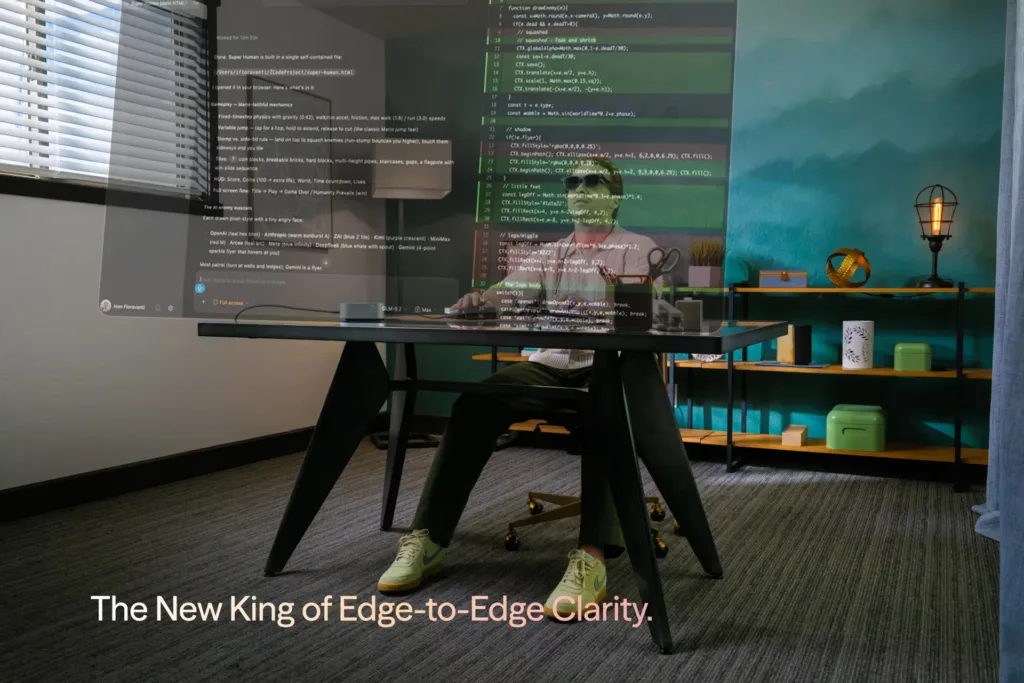
Productivity is also less convincing. While virtual monitors are possible, 1080p resolution, occasional edge blur and software limitations mean these aren’t a replacement for a good desktop-monitor setup.
For gaming, streaming and travel, though, the VITURE Pro 2 gets the fundamentals unusually right. At $299, its combination of sharp Micro-OLED displays, 120Hz performance, excellent adjustability and built-in vision correction makes it one of the best-value XR display glasses currently available.
Where to buy
Affiliate link: we may earn a commission if you buy through it, at no extra cost to you.
Verdict
The VITURE Pro 2 delivers one of the strongest combinations of image clarity, comfort and vision adjustment available around $300. Weak audio and limited advanced XR features keep it from being an all-purpose spatial computer, but for gaming and entertainment, it is an easy recommendation.
Best for: Gaming, movies and travel
How we score