Samsung Galaxy Fit3 Review: Excellent Value With a Few Big Limits
Samsung nails the price, screen and everyday fitness experience, but GPS and tracking consistency remind you this is still a budget band.
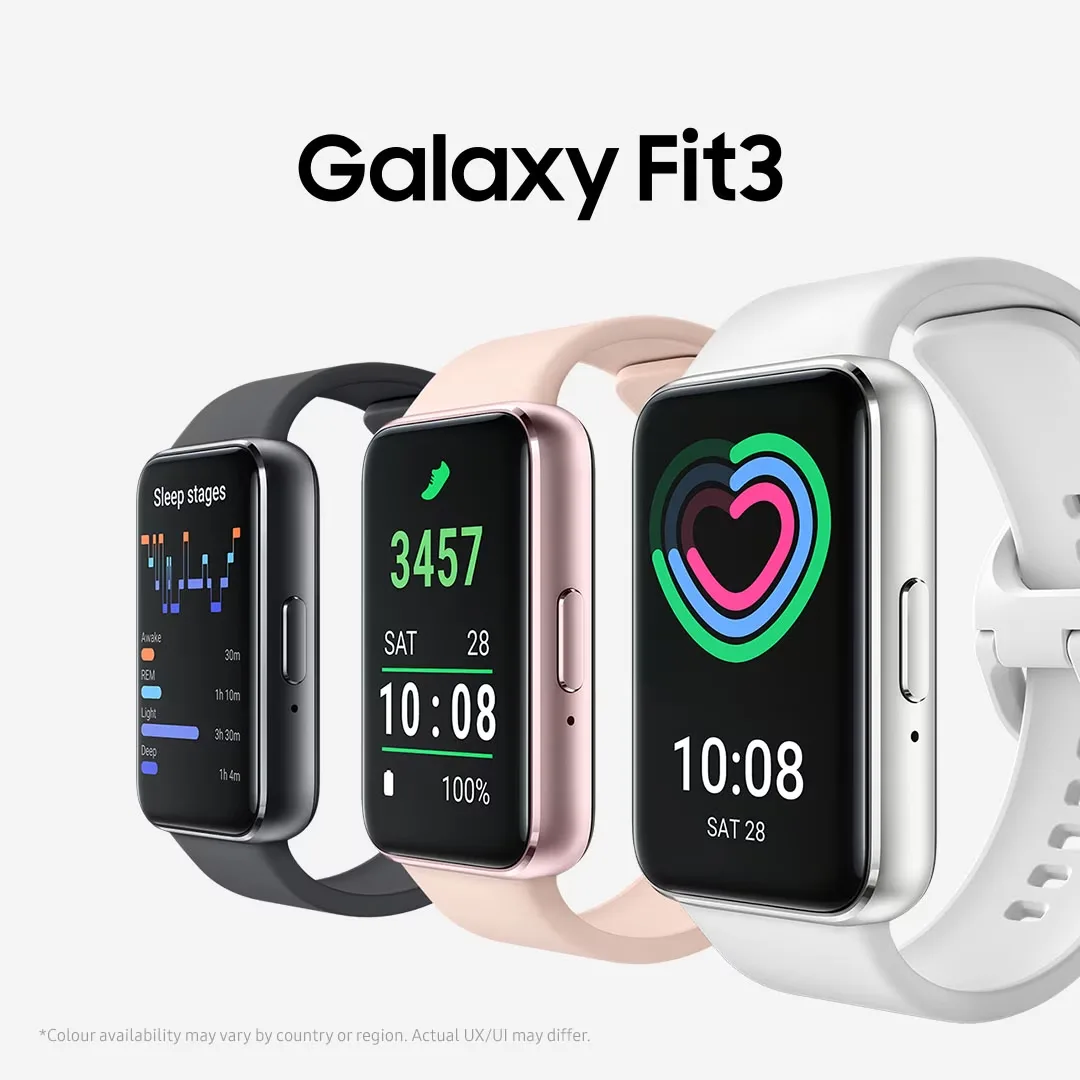
What stands out
Pros
- bright 1.6-inch AMOLED display
- extremely lightweight design
- Samsung Health integration
- everyday heart-rate tracking
+ View 4 more
- 100+ workout modes
- sleep/wellness features
- battery life
- fall detection and emergency features
Cons
- no built-in GPS
- Android-only ecosystem
- some Galaxy-specific functionality isn't available with every Android phone.
Product specifications
- Display
- 1.6-inch AMOLED, 256 × 402
- Weight
- 18.5 g body only
- Battery
- 208 mAh; up to 13 days
- GPS
- Via Phone
- Heart rate
- Optical HR
- Blood oxygen
- Yes
- Sleep tracking
- Yes
- Stress tracking
- Yes
- Workouts
- 100+
- Water resistance
- 5ATM + IP68
- Safety
- Hard-fall detection + emergency SOS
- Compatibility
- Android; strongest integration with Samsung Galaxy
Before you buy
Samsung Galaxy Fit3 sits in a sweet spot between a tiny fitness band and a full smartwatch. It gives you a large 1.6-inch AMOLED display, heart-rate monitoring, blood oxygen, stress and sleep tracking, more than 100 workout modes and Samsung Health integration without the price—or daily charging routine—of a Galaxy Watch. At only 18.5g, it’s also substantially easier to forget you’re wearing.
For basic activity tracking, there’s a lot to like. Professional testing from PCMag, CNET and TechRadar generally found heart-rate performance good for everyday workouts. CNET’s measurements stayed reasonably close to a Polar chest strap, although the Fit3 reacted more slowly when heart rate changed quickly. Android Authority had less impressive results during interval training, which makes the Fit3 better suited to casual exercise than serious performance analysis.
Battery life is similarly good rather than miraculous. Samsung advertises up to 13 days, but that assumes lighter usage and no Always-On Display. Real-world reports commonly fall somewhere around several days to a week, with CNET getting three days while heavily using AOD, notifications, sleep tracking and workouts. That’s still dramatically easier to live with than most full smartwatches.
The biggest compromise is GPS. The Fit3 has no GPS receiver of its own, so mapped outdoor workouts require your phone. Sleep tracking is another weakness: reviewers and owners have reported missed wake periods, gaps and inconsistent sleep-stage estimates. Earlier step-counting and Samsung Health syncing complaints also exist, although community feedback following a 2026 firmware update has become more positive.
The Update has Fixed So Many Things!!!!
by u/Positive-Credit6091 in GalaxyFit
None of that ruins the Fit3’s main appeal. At roughly CA$60–70, you’re getting an excellent screen, lightweight hardware, strong everyday wellness features and access to Samsung’s mature health ecosystem. Just don’t mistake it for a miniature Galaxy Watch.
Where to buy
Affiliate link: we may earn a commission if you buy through it, at no extra cost to you.
Verdict
The Galaxy Fit3 offers an unusually good AMOLED screen, useful wellness tracking and multi-day battery life for very little money. Its lack of built-in GPS and inconsistent sleep, step and battery performance stop it from being a serious fitness device, but for casual Samsung users it remains one of the better budget trackers available.
Best for: Samsung and Android users wanting an affordable everyday fitness tracker
How we score